How to Select Export-Ready Wooden Pallets for Businesses in Hyderabad
@hyderabadepalpallethub
How to Select Export-Ready Wooden Pallets for Businesses in Hyderabad
Selecting the right pallet is an everyday concern for teams that move goods between factories, warehouses, and vehicles. A pallet is easy to overlook until a load shifts or a dispatch is delayed. For international shipping, the right choice can make daily handling safer and easier to plan.
Buyers in Hyderabad often need to balance price, durability, supply timing, and the way their team uses lifting equipment. The same pallet may perform well with one product and poorly with another. Consider export cartons, crates, and containerized goods and ask how they are packed, lifted, stacked, and moved.
This guide explains what to check before you buy, including wood species, dimensions, and entry design, delivery details, and practical questions to raise with a supplier. It also covers treatment records, destination rules, and customs documentation. The aim is to make specifications clearer and reduce avoidable surprises when the pallets reach your site. Buyers can also review Wooden Pallets Manufacturer Hyderabad when comparing the available pallet options.
Brief Overview
- Match wooden pallets to actual packed weight and load shape.
- Check dimensions, entry direction, and the handling equipment.
- Review material quality, condition, and batch inspection steps.
- Confirm delivery plans and export documents when needed.
- Assess total use cost, not just the initial unit price.
Define the Load and the Daily Handling Conditions
Begin by writing down the goods that will travel on each pallet. Note the packed weight, the number of packages, and the contact area under the load. A stack of light cartons Wooden Pallets Manufacturer in Hyderabad behaves differently from a machine resting on four narrow feet. In international shipping, uneven loads need special attention because pressure may collect in a small part of the deck. Share a load drawing or clear photos with the supplier. This helps the team suggest a sensible layout rather than guessing from the total weight alone. Keep the person who operates the forklift involved in the decision. Practical feedback often catches clearance or stability issues before they become daily problems.
Next, map the journey from packing to final unloading. Will staff use hand pallet trucks, forklifts, racks, or container floors? Will the goods be stored outdoors or moved between humid and dry areas? These questions affect entry clearance and the treatment of wood. Ask operators which pallet problems slow them down today. Common answers include poor fork access, unstable stacks, and boards that snag on packaging. A simple site review can reveal needs that an office purchase order may miss. Even when the order seems routine, document the final decision. Written details make it easier to repeat a successful purchase several months later.
Review Materials, Workmanship, and Strength
Look at workmanship rather than relying only on a product label. Boards should be placed with care, fasteners should be secure, and visible damage should be addressed before dispatch. Splinters, loose nails, or poorly fitted pieces can harm goods and create handling risks. Ask what the supplier checks before loading pallets for delivery. A clear inspection method shows more about reliability than broad claims about quality. Even when the order seems routine, document the final decision. Written details make it easier to repeat a successful purchase several months later.
Wood is a natural material, so moisture and handling conditions deserve attention. Pallets kept in damp places can change over time and may be less suitable for clean, dry storage. Request details about species, treatment, and storage practice when these issues matter for your cargo. For wooden orders, decide whether a standard footprint or a purpose-built layout best supports the cargo. Samples can help, but a single good sample does not replace agreed batch checks. Put important acceptance points in writing before production begins. This is especially helpful for teams with several shifts or warehouses. Everyone should work from the same approved dimensions, load limits, and handling notes.
Plan for Storage, Transport, and Export Rules
Transport plans should reflect the full route. A pallet may leave a factory in Hyderabad, travel by road, and then spend time inside a shipping container or another warehouse. Heat, moisture, vibration, and repeated lifting all affect the way a load must be secured. Use straps, stretch wrap, edge protection, or other restraints suited to the goods. A sound pallet cannot make up for poor packing or unsafe stacking. This is especially helpful for teams with several shifts or warehouses. Everyone should work from the same approved dimensions, load limits, and handling notes.
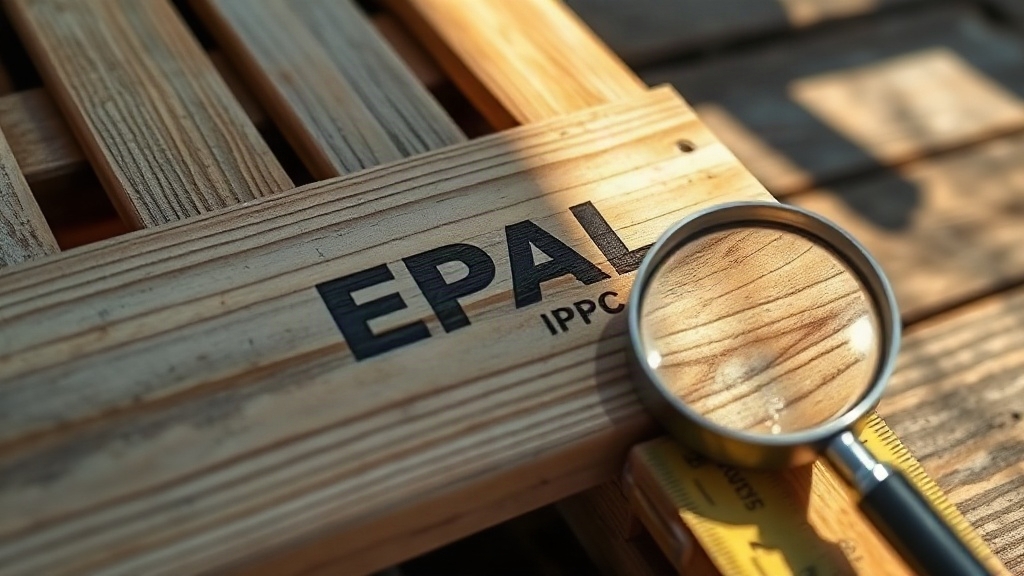
For international shipping, check the destination's wood packaging requirements before an order is placed. ISPM 15 is often relevant to solid wood packaging, but buyers should confirm the treatment and marking needed for their route. Ask for clear documentation where it is required. Do not treat the EPAL mark as a substitute for every export or customs requirement. Your freight forwarder and receiving partner can help confirm the rules that apply to a specific shipment. In particular, treatment records, destination rules, and customs documentation should be discussed before the purchase order is signed. A short note at this stage is easier to manage than a problem discovered during dispatch.
Compare Supplier Quotes With Care
Ask each supplier to quote against the same written specification. Include size, expected load, entry direction, quantity, treatment, quality checks, and delivery location. Without this detail, low and high prices may describe different products. Buyers in Hyderabad should also ask about lead times and what happens when an urgent order is needed. A useful quote states what is included, what is optional, and which details still need confirmation. In particular, treatment records, destination rules, and customs documentation should be discussed before the purchase order is signed. A short note at this stage is easier to manage than a problem discovered during dispatch.
Compare the cost of using pallets, not only the price of buying them. Freight charges, damage, rejection, storage space, and replacement frequency can change the total. A cheaper pallet may be reasonable for a light one-way shipment, while repeated handling may justify a more durable option. Request a sample or pilot quantity when the order is large. Test it with ordinary operations before committing to a long run. For export cartons, crates, and containerized goods, ask for clear examples of suitable packing arrangements. The correct answer depends on actual use, so avoid adopting a specification from another product without checking it. A comparison with wooden pallets manufacture in India can help buyers frame these questions before requesting a quote.
Frequently Asked Questions
What information should I give a wooden pallets supplier?
Share the packed weight, product size, intended handling method, destination, and planned order quantity. Explain whether the pallet will be used once or many times. A clear drawing or sample load often helps.
How do I know if a pallet can support my cargo?
Ask which load condition a stated rating covers. Floor support, forklift movement, and rack storage can place different demands on the pallet. For unusual loads, request a practical trial.
Are wooden pallets suitable for export shipments?
They can be, but suitability depends on the destination and shipment rules. Check treatment and marking requirements for solid wood packaging, and confirm any customer-specific conditions before dispatch.
Should businesses in Hyderabad order standard or custom sizes?
Standard sizes simplify repeated handling and storage. Custom sizes may help with unusual goods or equipment. Compare the full route, including forklifts, racks, and vehicle space, before choosing.
How can I reduce pallet problems after delivery?
Inspect incoming pallets, separate damaged units, train operators, and store stock in a dry and stable area. Keep records of recurring faults so future specifications can be improved.
Summarizing
Sound pallet buying begins with the real cargo and the way it moves. For wooden pallets in Hyderabad, measure the load, check the handling route, and put the critical specifications in writing. Look at build quality, export requirements, and delivery reliability together. A careful comparison now can prevent wasted space and avoidable damage later.
Use a small trial where the load is unusual, and listen to the people who handle pallets every day. Review performance after delivery and refine your next order from those results. The best solution is one that remains practical, safe, and consistent from packing to unloading.